Compiling the software
Tools
I use the following tools in order to build and manage the software:
Visual Studio Code
PlatformIO
Git for Windows
Python3 (for building docs)
Code Formatting
I use pre-commit and their cpp style checks to validate the code. Plugin defintions are found in .pre-commit-config.yaml
Note
There is not yet any automatic checks since this does not work on Windows. It works if running under WSL2 with Ubuntu or on MacOS.
Targets
In the platformio config there are a number of targets defined, each for a specific board.
Serial debugging on battery
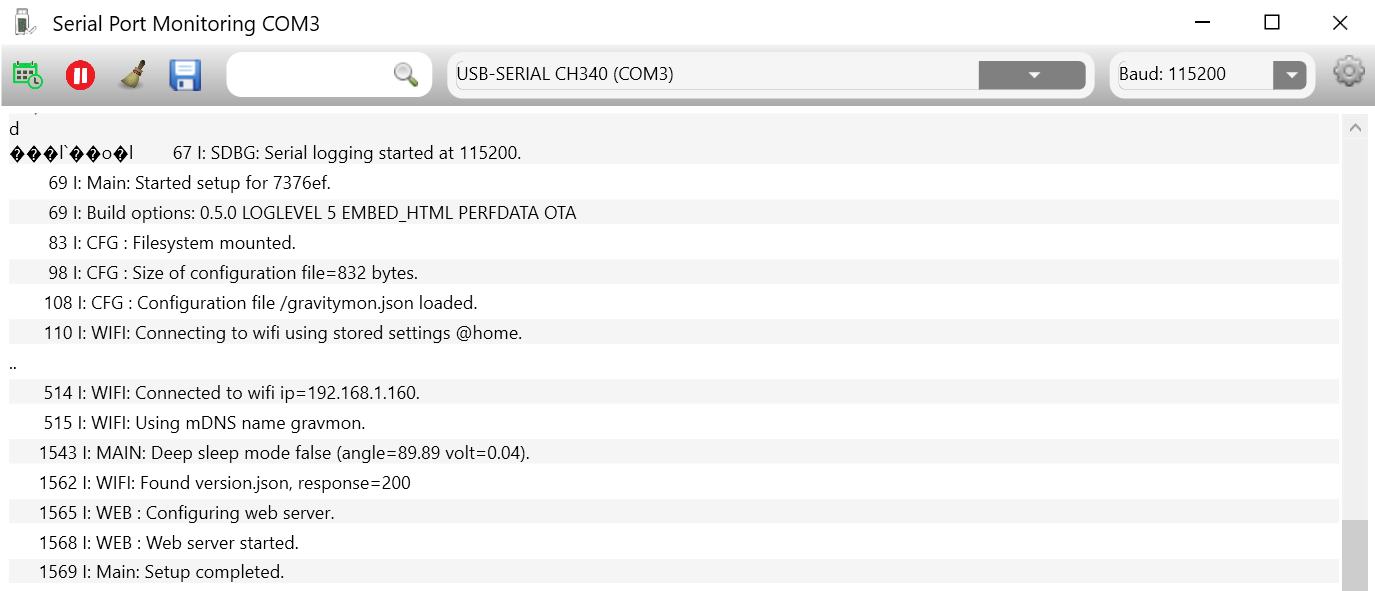
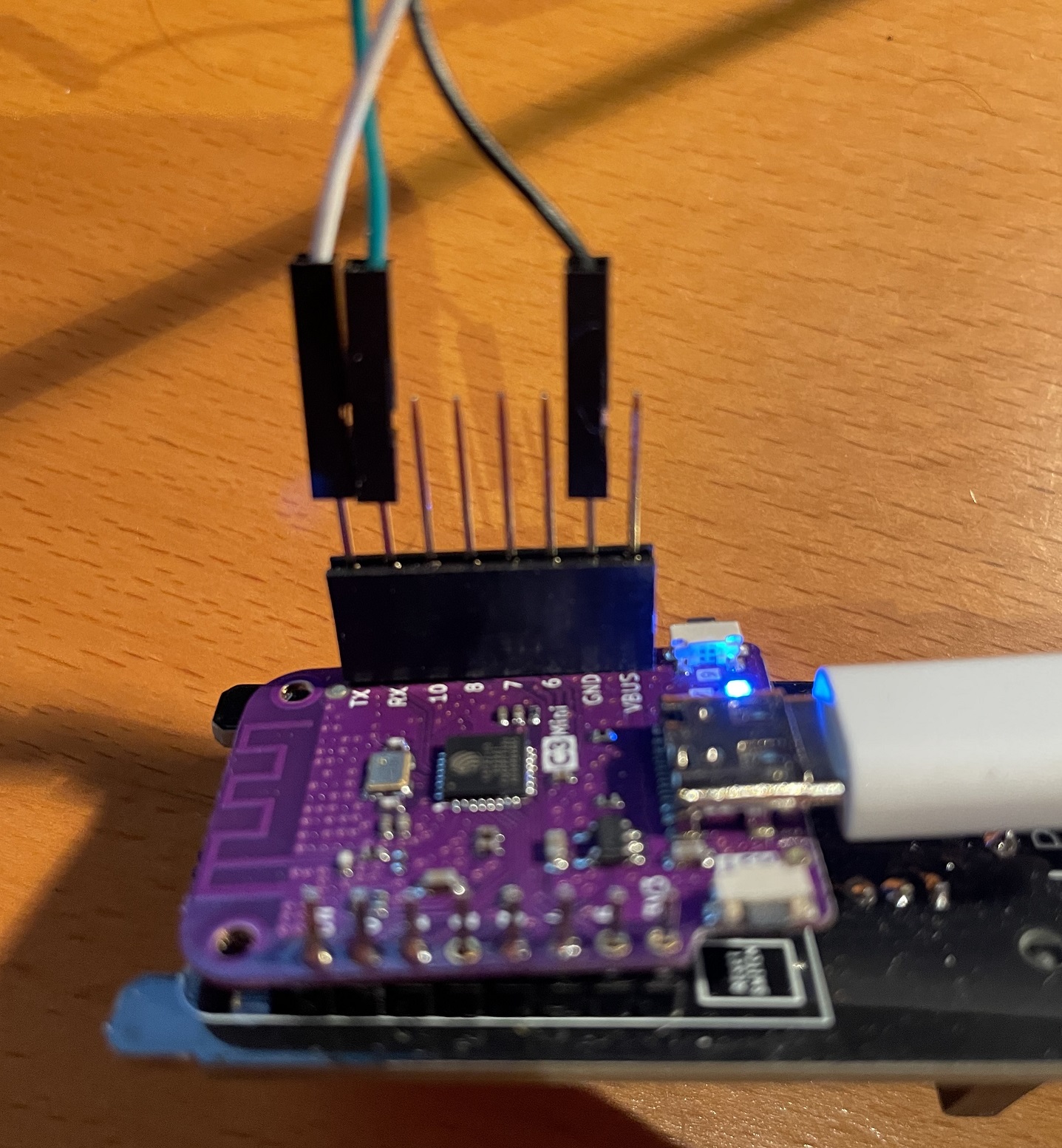
On the ESP32 builds the serial output can be written to UART0 which is connected to the RX/TX pins on the chip. This way the serial output can be viewed without a connection to the USB port, convinient when running the device on battery power. In order to get this to work you need to compile the sofware with the option DUSE_SERIAL_PINS and attach as USB to TTL cable to the correct pins.
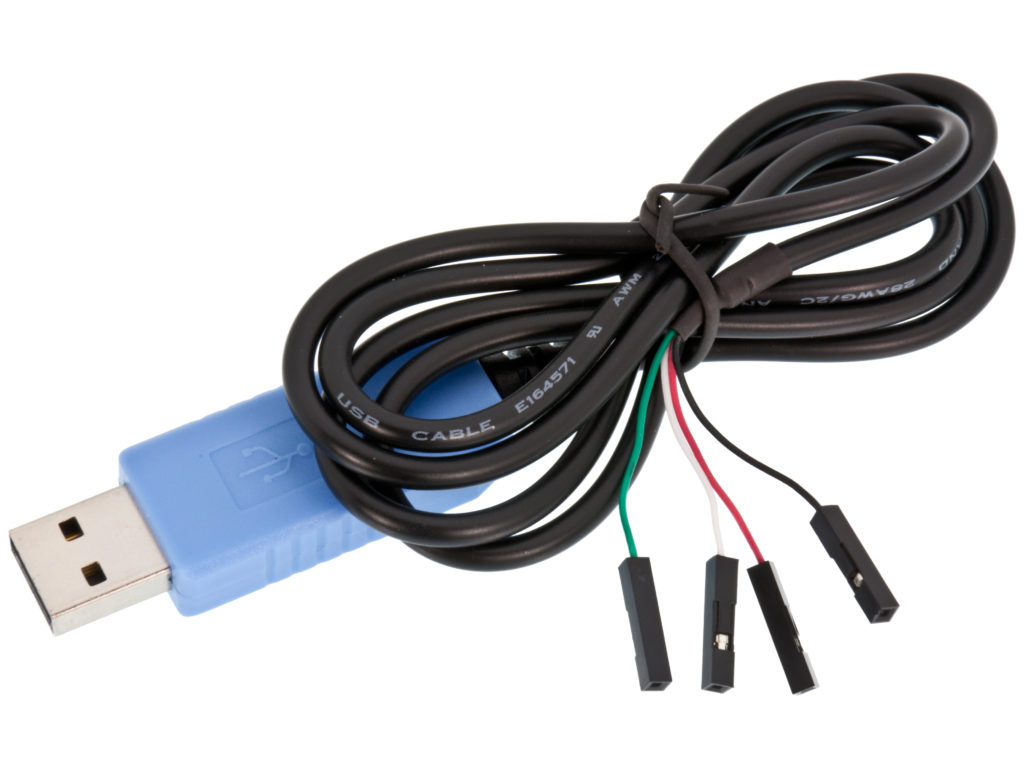
You connect the USB to TTL cable that you connect the TX, RX and GND pins. Dont connect the power pin if you are powering the device from USB or Battery.
Source structure
path |
content |
|---|---|
/.github |
Automated github action workflows |
/bin |
Contains compiled binaries |
/html |
Pre-built ui assets embedded into firmware (index.html, app.js.gz, app.css.gz, favicon.ico.gz) |
/lib |
Local library copies (ds18b20_checker, mpu6050, tinyexpr) |
/script |
Python build scripts run by PlatformIO (board flags, firmware copy, version JSON, git revision) |
/src |
Firmware source code |
/src_docs |
Sphinx documentation source |
/test |
AUnit on-device unit tests (tests*.cpp) and Python API integration tests (scripts/) |